Home | KNOT DENSITY
Knot Density in Hand Knotted Carpets
- Fibers & Material
- Wool
- Silk
- Bamboo Silk
- Hemp/Jute
- Viscose
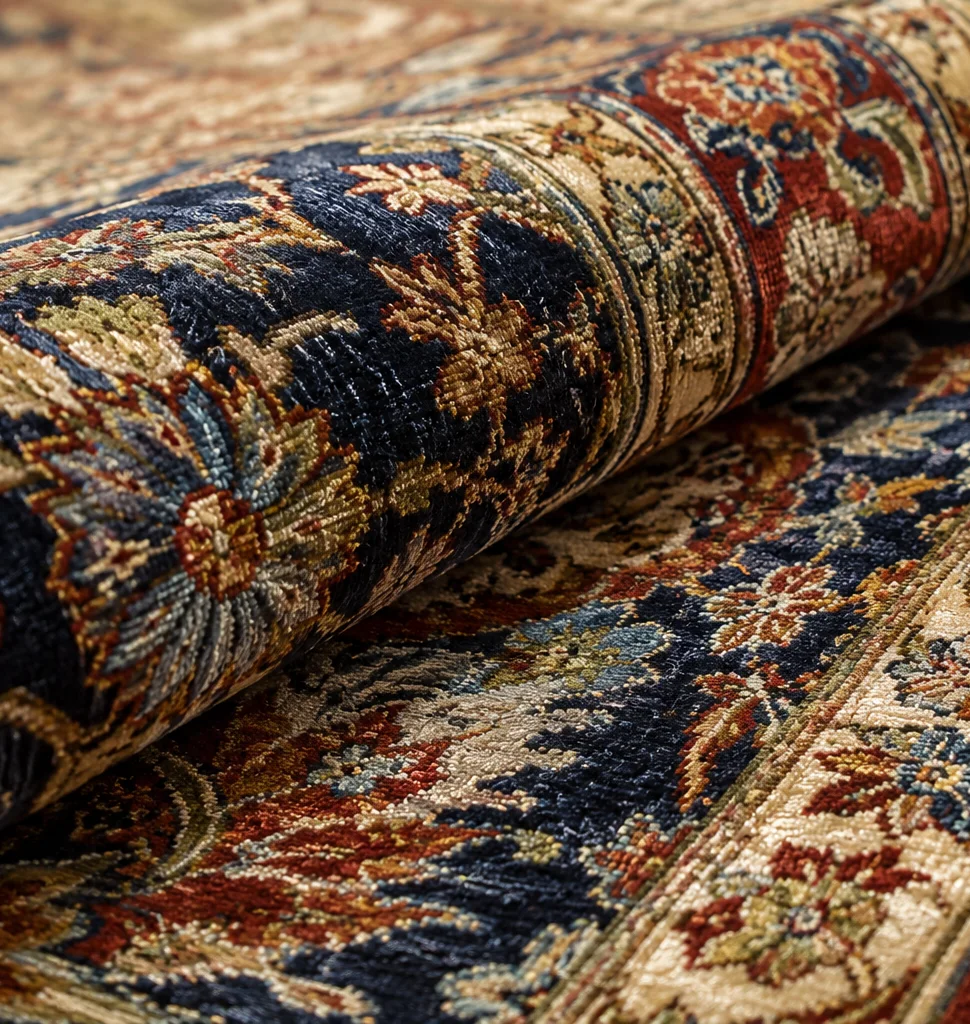
Knot density in hand-knotted carpets refers to the number of knots tied per square inch, which is an important aspect in determining the rug’s complexity, durability, and overall worth. Higher knot density frequently indicates finer designs, more craftsmanship, and a longer-lasting object.
How Knot Density Affects Quality ?
Knot density is a major indicator of a carpet’s quality. Higher knot counts provide finer details, smoother textures, and more durability, whilst lower densities produce simpler designs with a coarser feel. This makes knot density a crucial consideration in both the appearance and longevity of a carpet.
How do you measure it?
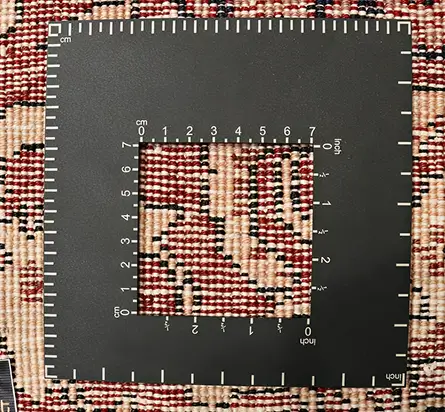
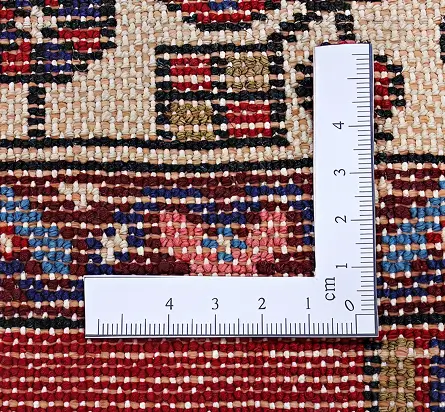
Knot density is calculated by counting the number of knots in a certain area of the carpet, usually per square inch (KPSI) or per square decimeter. This is accomplished by inspecting the back of the carpet, where individual knots are clearly visible.
To calculate, count the knots both horizontally and vertically inside the designated region, then multiply the two figures to get the overall knot density. Higher knot density typically signifies better craftsmanship, more detailed patterns, and higher longevity.
Knot Density and Carpet Making time
The amount of time it takes to make a hand-knotted carpet is directly proportional to the knot density. Higher-density carpets take longer to weave since each knot is tied separately, frequently taking months or even years to complete. Lower-density carpets are faster to manufacture, but they may lack the precise detail and longevity of high-density rugs, making knot density an important consideration in both craftsmanship and production time.
Typical Knot Densities in India
Hand-knotted carpets from India exhibit a wide range of knot density. Kashmiri carpets are recognized for their high densities, while Bhadohi carpets have medium densities, and other regional carpets have lower densities. Each kind exemplifies the region’s traditional workmanship and design complexity.

Kashmiri Carpets
Usually range from 200–800+ KPSI , with fine pieces exceeding 1000 KPSI.

Bhadohi Carpets
Typically range from 80–300 KPSI , with some finer works reaching 400+ KPSI.
Knots
Knots are the foundation of hand-knotted carpets, tied carefully by skilled artisans. They determine the carpet’s design, texture, durability, and overall quality. Higher knot density allows for finer details and intricate patterns, while lower densities create simpler, yet elegant, designs. Each knot reflects the craftsmanship and artistry invested in the carpet, making it a unique and lasting piece.

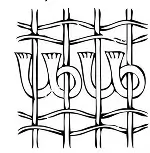
Persian Knot
The Persian knot is asymmetric, allowing for fine, detailed designs.
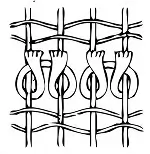
Turkish Knot
The Turkish knot is symmetric, creating strong and durable carpets.
Immerse In Artistic Living
Explore The Collection Of Handcrafted Carpets And Rugs — Woven In Tradition, Perfected Through Generations And Destined To Add Warmth To Your Spaces


