• exports
  • Experience Programme
  • Trade Login

Home  |  carpets & rugs  |  MAKing process

Carpets & Rugs Making Process

Each hand-crafted rug passes through many skilled hands, a true testament to craftsmanship. Every artisan contributes unique and irreplaceable expertise, refined over years of dedication, to bring a timeless masterpiece to life.

Bringing these artisans together calls for a collaborative approach, engaging each specialist step by step to achieve unmatched quality. Such harmony is nurtured only by building bridges of trust, compassion, and enduring respect.

1) Selection of Raw Material

Wool

Handloom shawls have slight irregularities in the weave, as they are manually woven. Machine-made shawls will have a perfectly uniform weave.

Hemp/Jute

Handloom shawls have slight irregularities in the weave, as they are manually woven. Machine-made shawls will have a perfectly uniform weave.
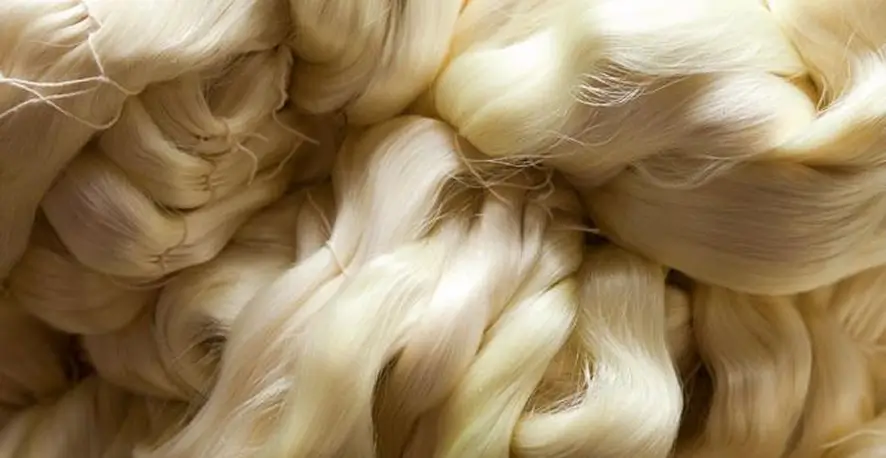
Silk

Handloom shawls have slight irregularities in the weave, as they are manually woven. Machine-made shawls will have a perfectly uniform weave.
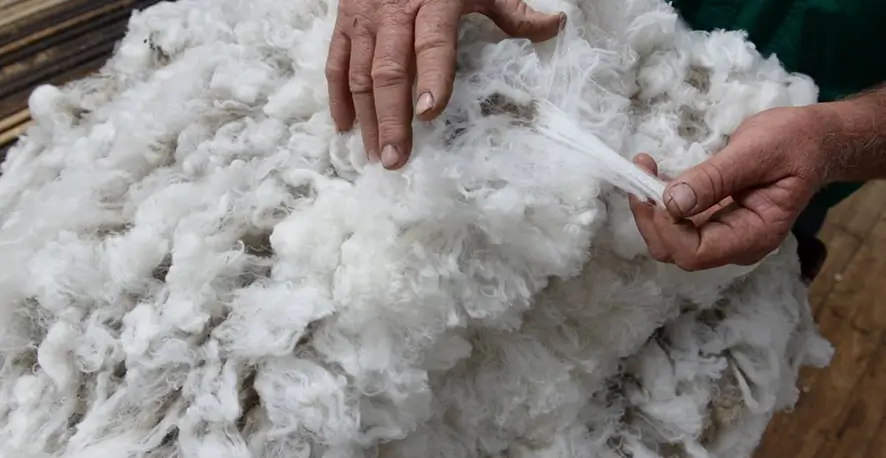
Viscose

Handloom shawls have slight irregularities in the weave, as they are manually woven. Machine-made shawls will have a perfectly uniform weave.

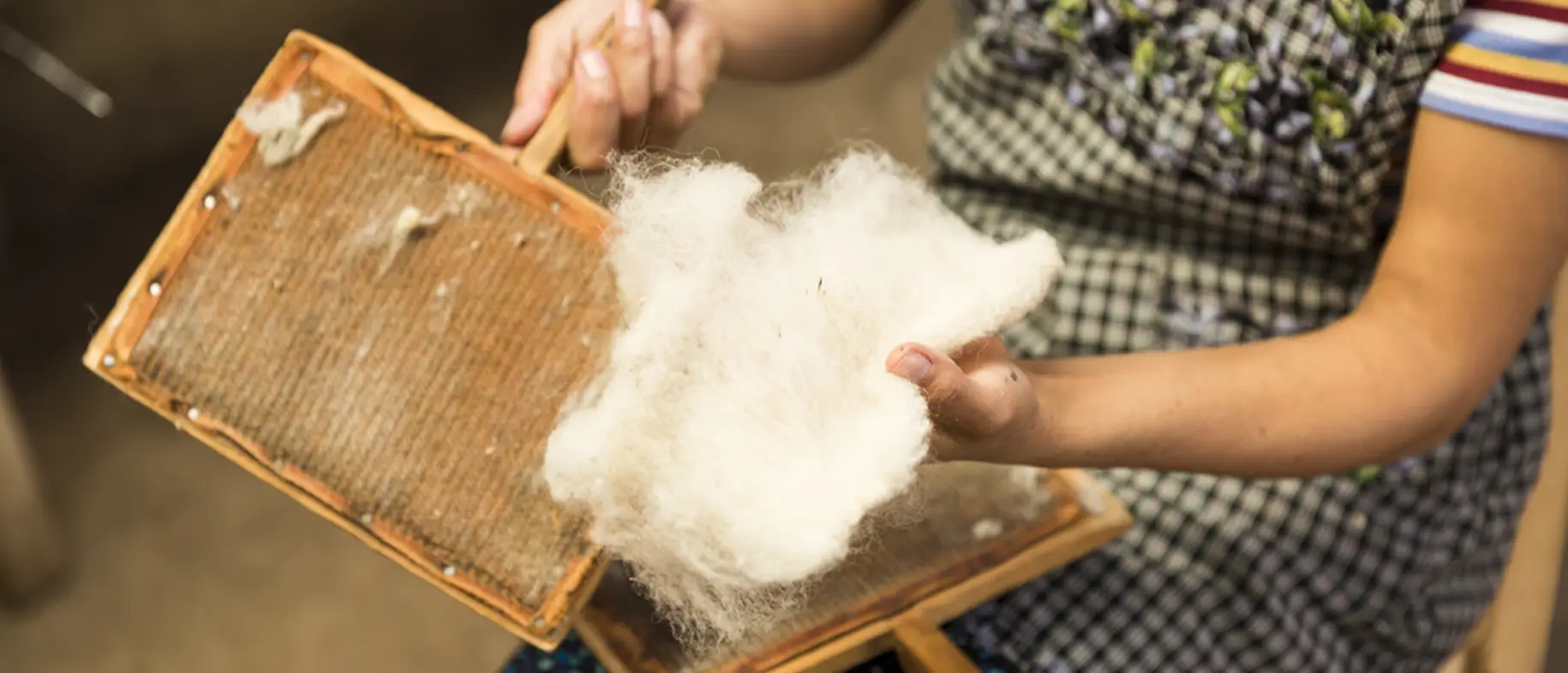
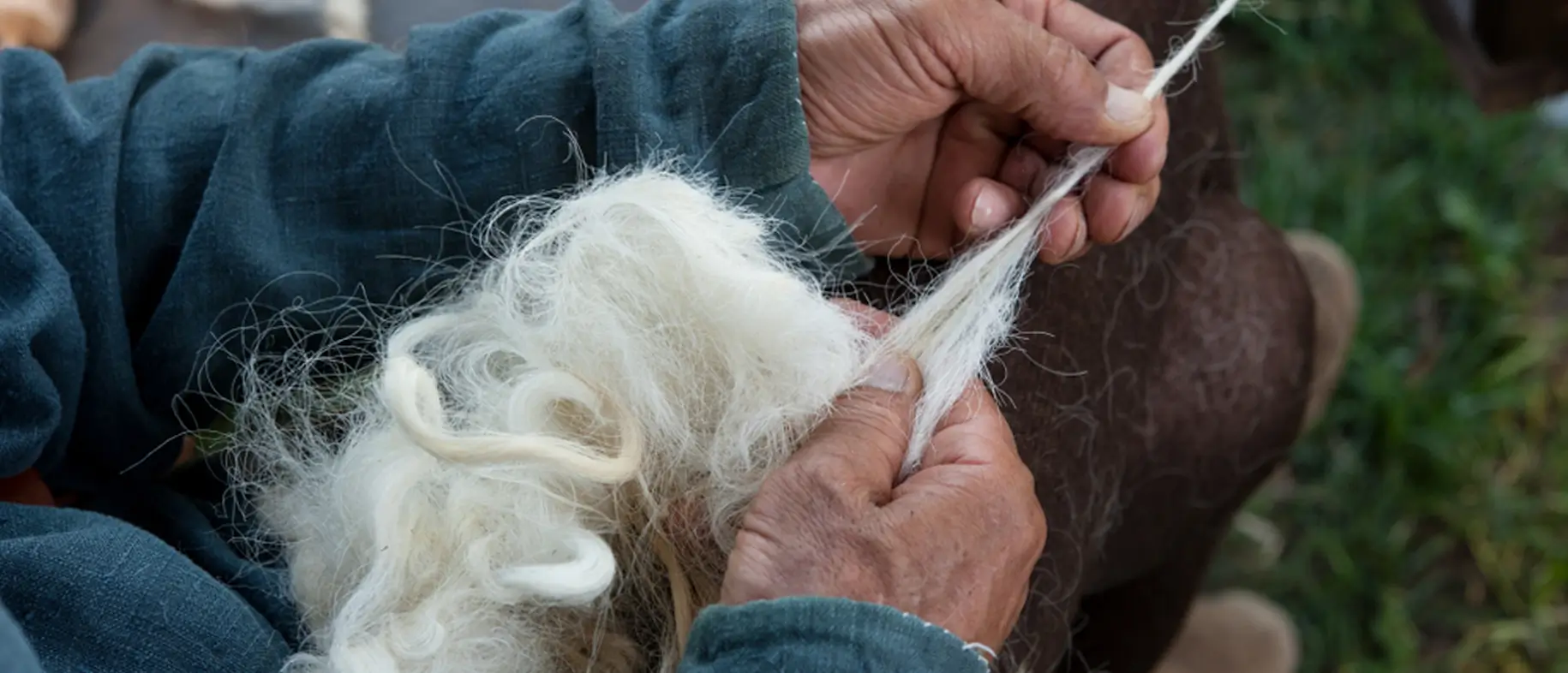
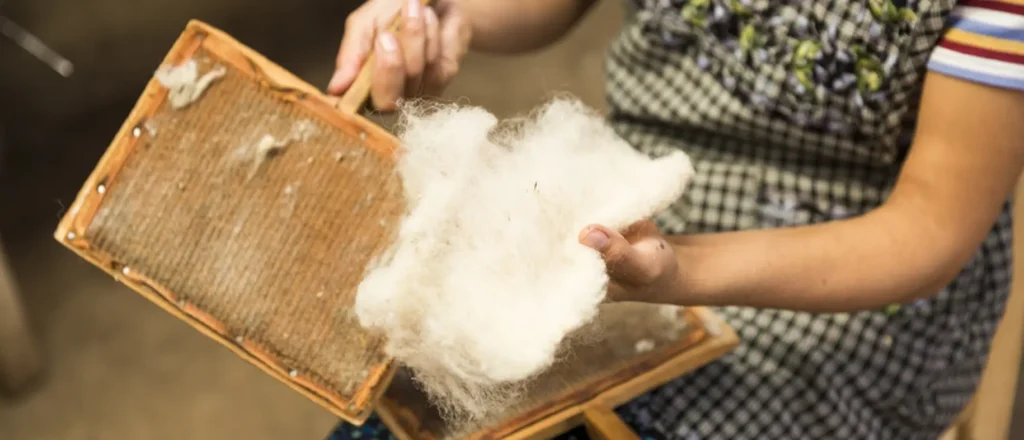
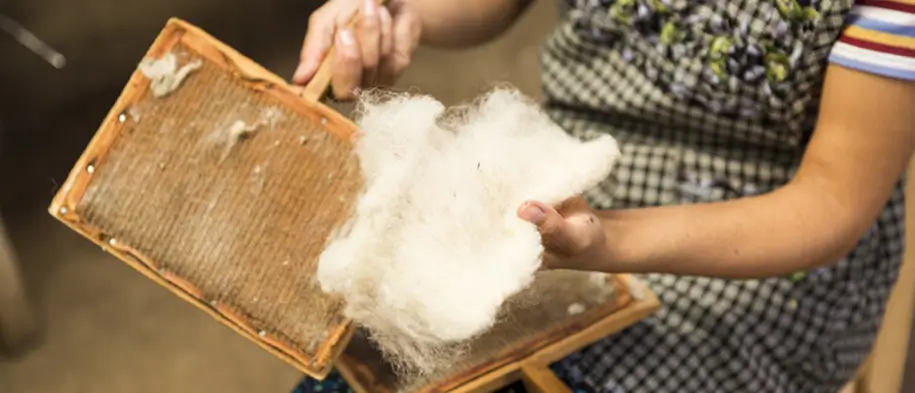
2) Carding

Handicraft textiles offer a blend of artistry, quality, and eco-consciousness, making them an excellent choice for those seeking style, longevity, and environmental responsibility. Here are the top advantages of choosing handicraft textilesHandicraft textiles offer a blend of artistry, quality, and eco-consciousness.
3) Spooling

Handicraft textiles offer a blend of artistry, quality, and eco-consciousness, making them an excellent choice for those seeking style, longevity, and environmental responsibility. Here are the top advantages of choosing handicraft textilesHandicraft textiles offer a blend of artistry, quality, and eco-consciousness.
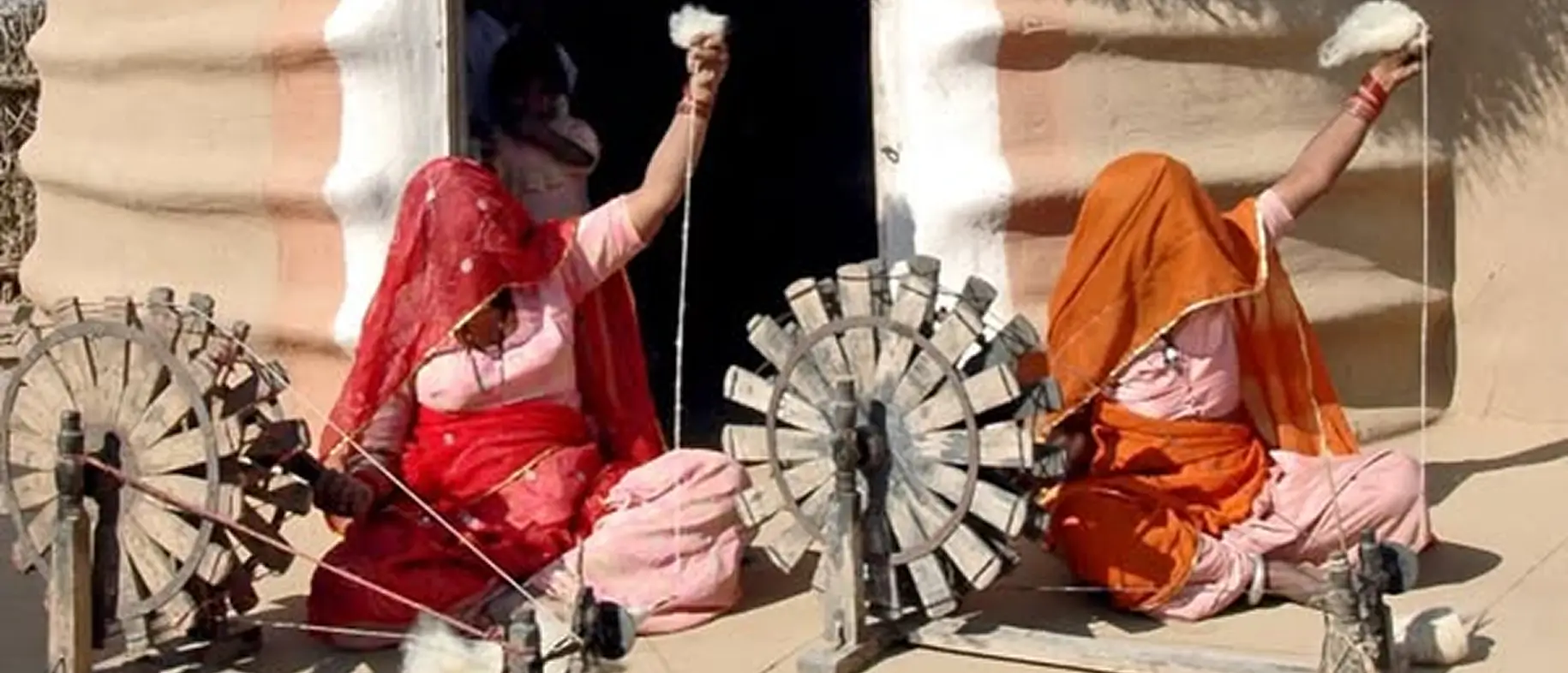
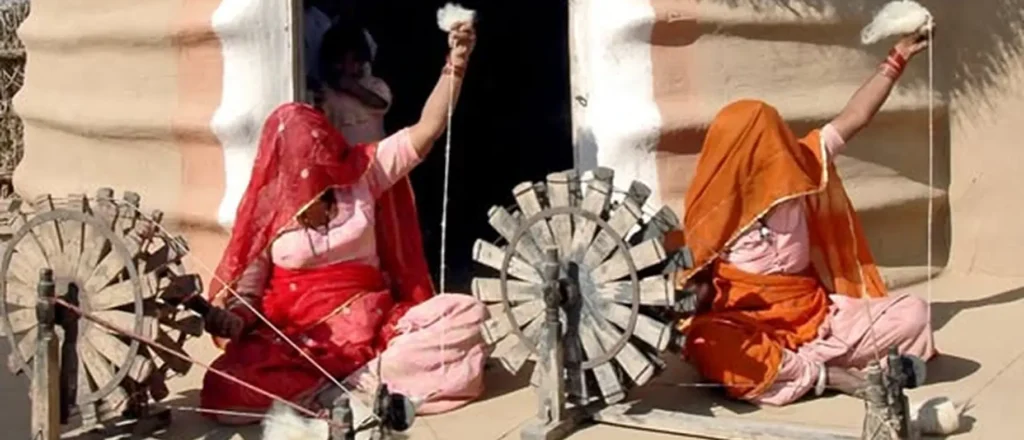
4) Spinning in Charkha

Handicraft textiles offer a blend of artistry, quality, and eco-consciousness, making them an excellent choice for those seeking style, longevity, and environmental responsibility. Here are the top advantages of choosing handicraft textilesHandicraft textiles offer a blend of artistry, quality, and eco-consciousness.
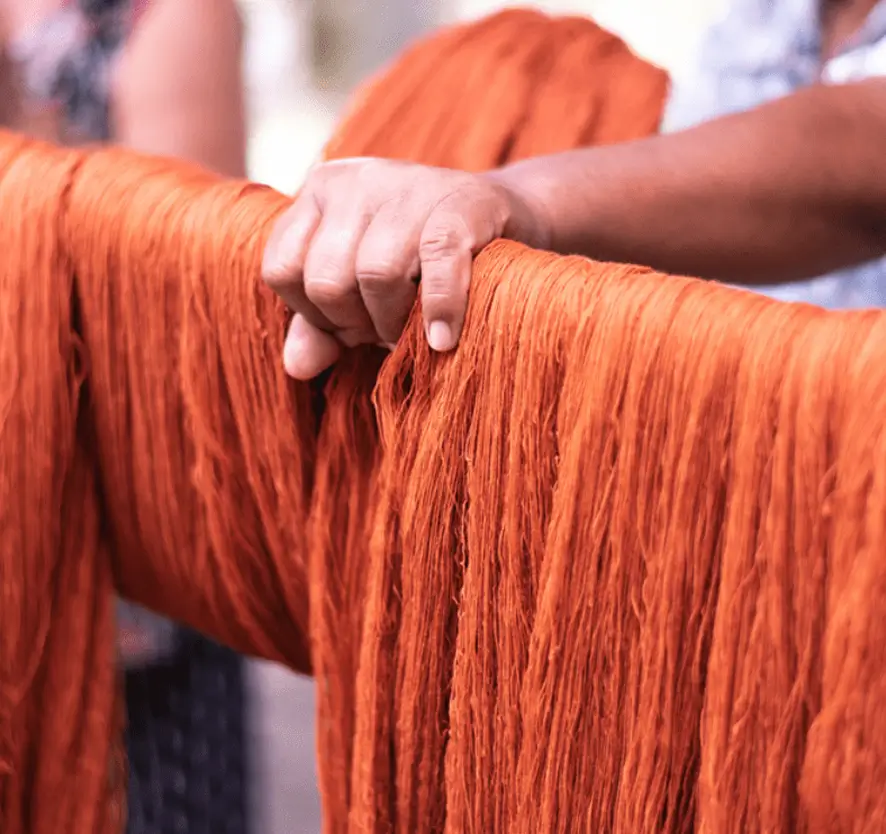
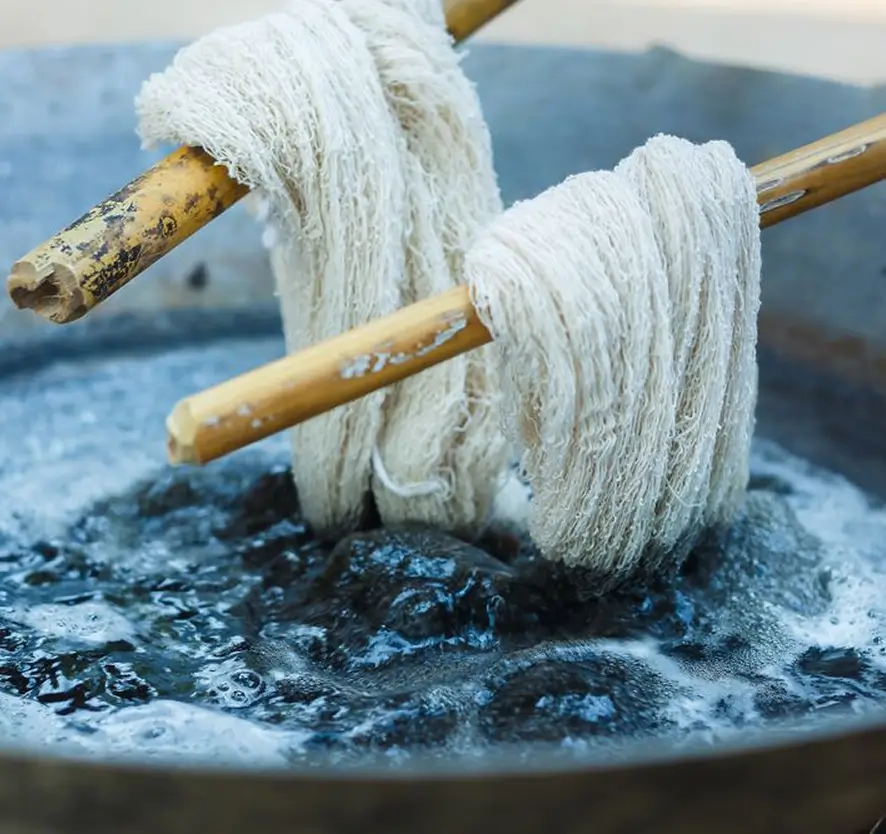
5) Dyeing

Handicraft textiles offer a blend of artistry, quality, and eco-consciousness, making them an excellent choice for those seeking style, longevity, and environmental responsibility. Here are the top advantages of choosing handicraft textilesHandicraft textiles offer a blend of artistry, quality, and eco-consciousness.
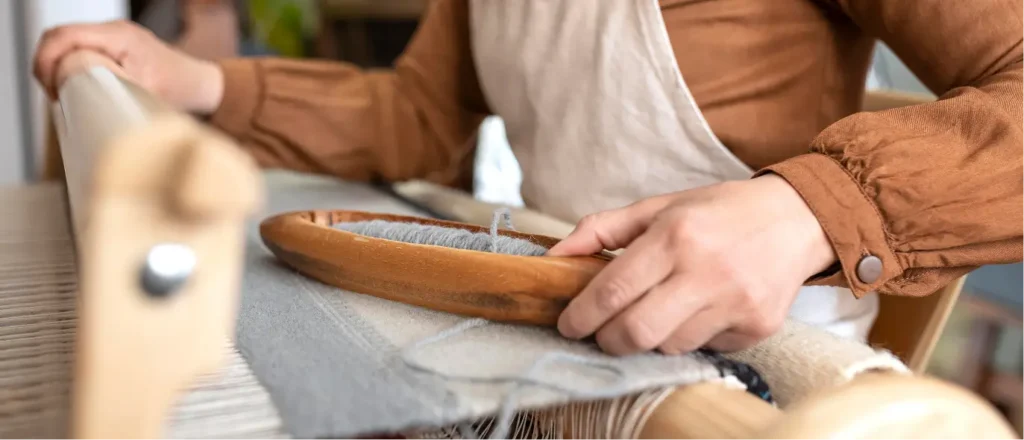
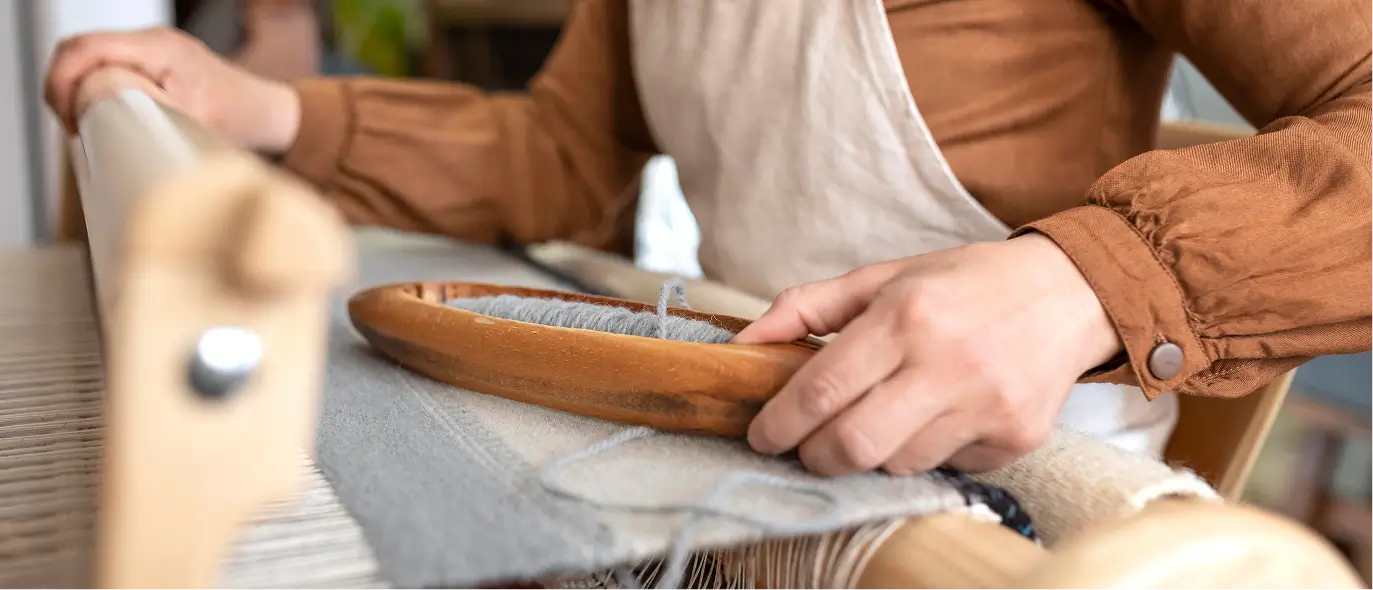
6) Weaving

Handicraft textiles offer a blend of artistry, quality, and eco-consciousness, making them an excellent choice for those seeking style, longevity, and environmental responsibility. Here are the top advantages of choosing handicraft textilesHandicraft textiles offer a blend of artistry, quality, and eco-consciousness.
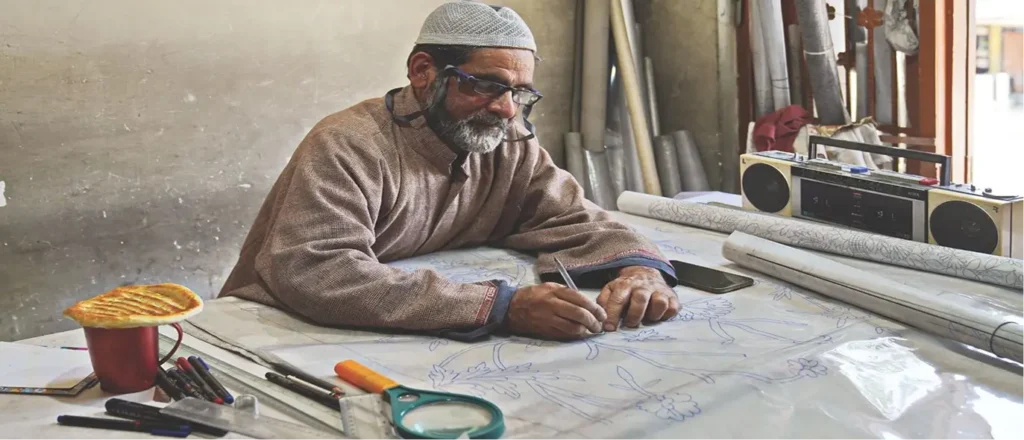
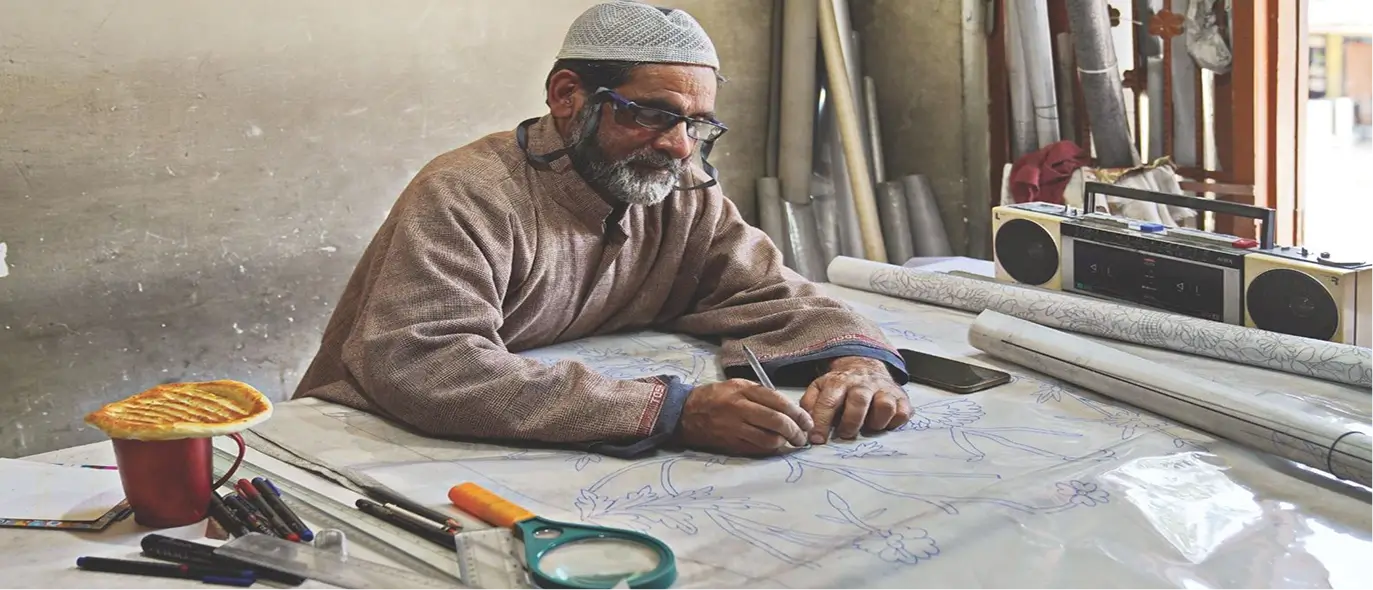
7) Tracing design

Handicraft textiles offer a blend of artistry, quality, and eco-consciousness, making them an excellent choice for those seeking style, longevity, and environmental responsibility. Here are the top advantages of choosing handicraft textilesHandicraft textiles offer a blend of artistry, quality, and eco-consciousness.
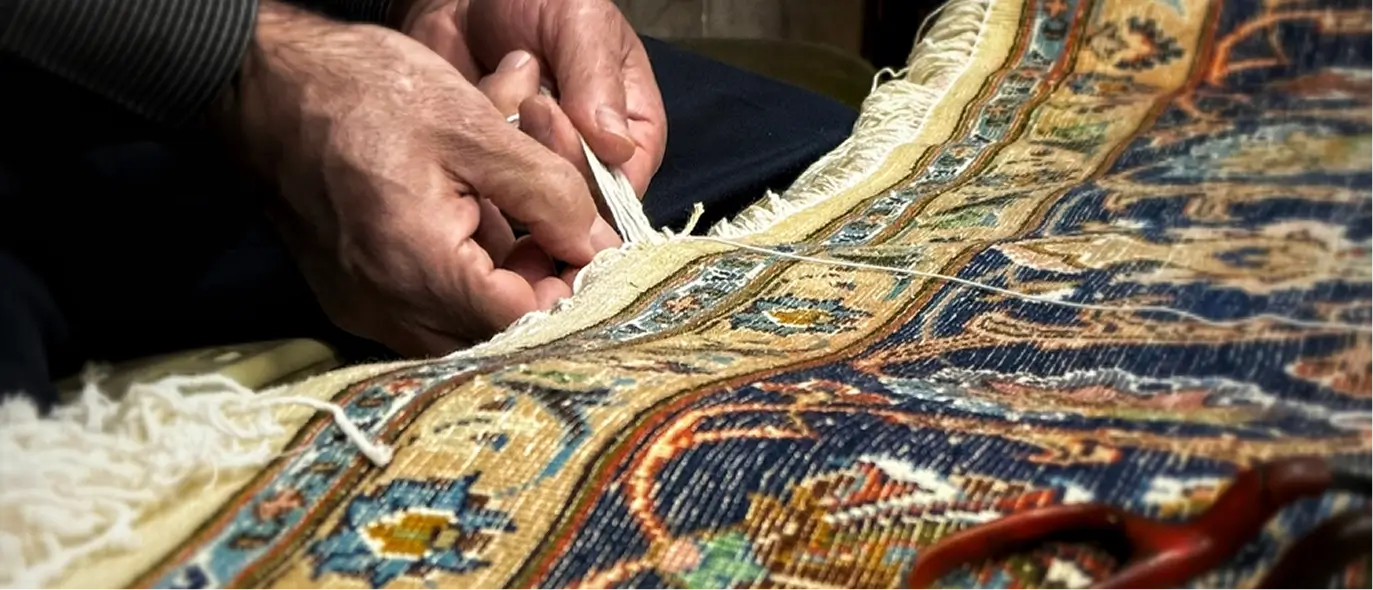
8) Finishing

Handicraft textiles offer a blend of artistry, quality, and eco-consciousness, making them an excellent choice for those seeking style, longevity, and environmental responsibility. Here are the top advantages of choosing handicraft textilesHandicraft textiles offer a blend of artistry, quality, and eco-consciousness.
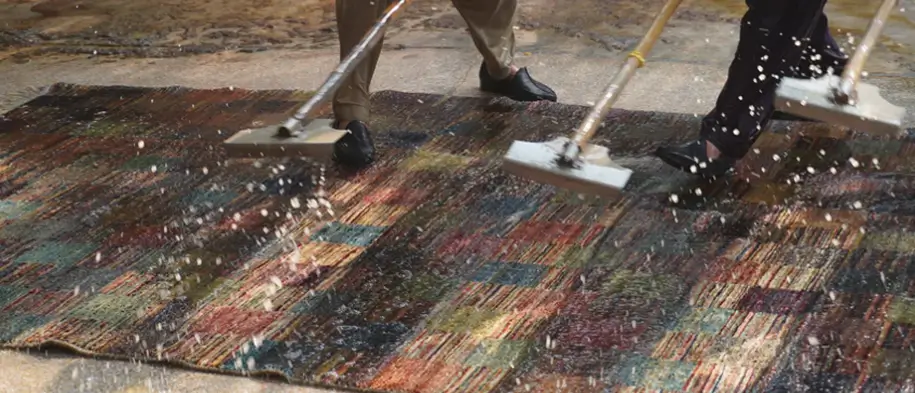
9) Washing

Handicraft textiles offer a blend of artistry, quality, and eco-consciousness, making them an excellent choice for those seeking style, longevity, and environmental responsibility. Here are the top advantages of choosing handicraft textilesHandicraft textiles offer a blend of artistry, quality, and eco-consciousness.
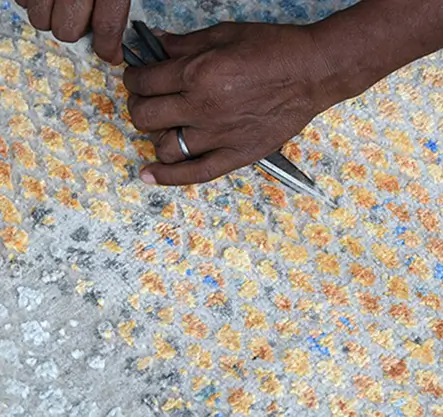
10) Put Gultarash

Handicraft textiles offer a blend of artistry, quality, and eco-consciousness, making them an excellent choice for those seeking style, longevity, and environmental responsibility. Here are the top advantages of choosing handicraft textilesHandicraft textiles offer a blend of artistry, quality, and eco-consciousness.
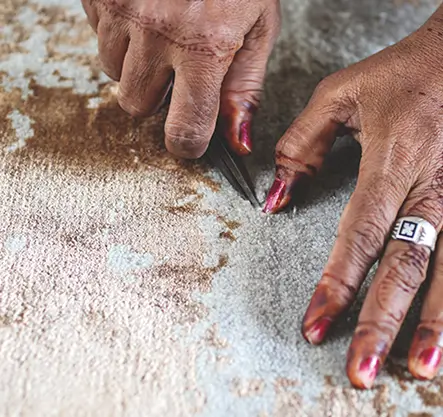
11) Khadi Gultarash
 

Handicraft textiles offer a blend of artistry, quality, and eco-consciousness, making them an excellent choice for those seeking style, longevity, and environmental responsibility. Here are the top advantages of choosing handicraft textilesHandicraft textiles offer a blend of artistry, quality, and eco-consciousness.
1) Designing the Pattern - Naqsha

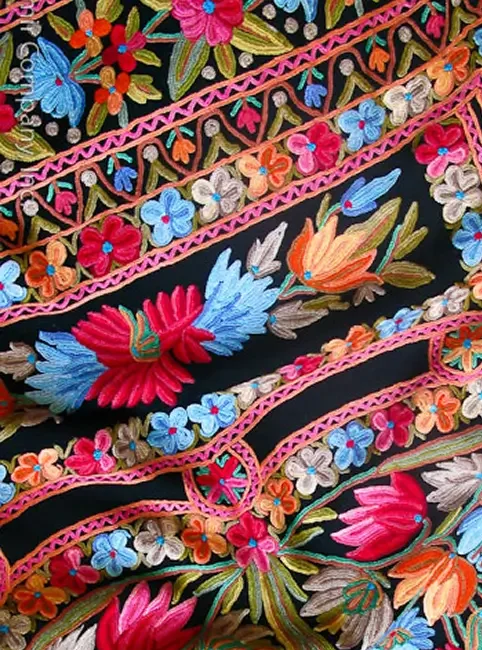
The pattern, or Naqsha, of the carpet is designed first. Artisans painstakingly plan themes, borders, and colors, combining tradition and creativity. This stage lays the groundwork for a carpet that embodies legacy, elegance, and visual harmony.

2) Material Selection

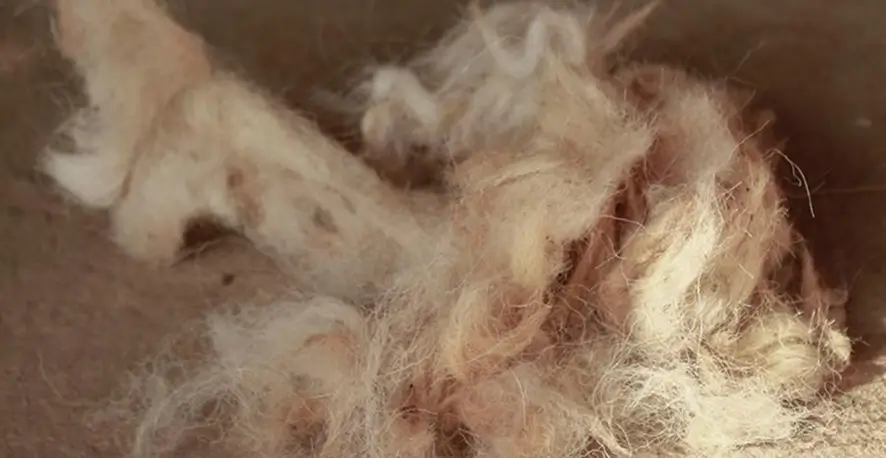
Wool

Wool is carefully selected for its softness, resilience, and natural warmth, providing a long-lasting and luxuriant foundation for the carpet.

Hemp/Jute

Hemp and jute provide durability and structure, providing natural texture and increasing the carpet's longevity.

Silk

Silk is chosen for its luster and smoothness, which emphasize delicate motifs and enhance the carpet's attractiveness.

Blends

Blended fibers combine the benefits of numerous materials, blending durability, texture, and visual appeal for a polished look.

3) Dyeing the Yarn

During this stage, yarns are meticulously dyed to achieve brilliant, long-lasting, and harmonious hues. Traditional procedures are used by skilled artisans to maintain uniformity, depth, and richness, as well as to prepare the threads for the intricate design of the carpet.

4) Yarn Spinning

The dyed fibers are spun into delicate yarn with careful control over thickness and tension. This technique assures consistency, strength, and smoothness, laying the groundwork for accurate weaving and a long-lasting, high-quality carpet.

5) Warp & Weft Preparation

Threads are meticulously organized as warp and weft, creating the carpet’s precise structural framework. Proper alignment, tension, and careful positioning are required to ensure stability, symmetry, and flawless execution throughout the complicated weaving process.

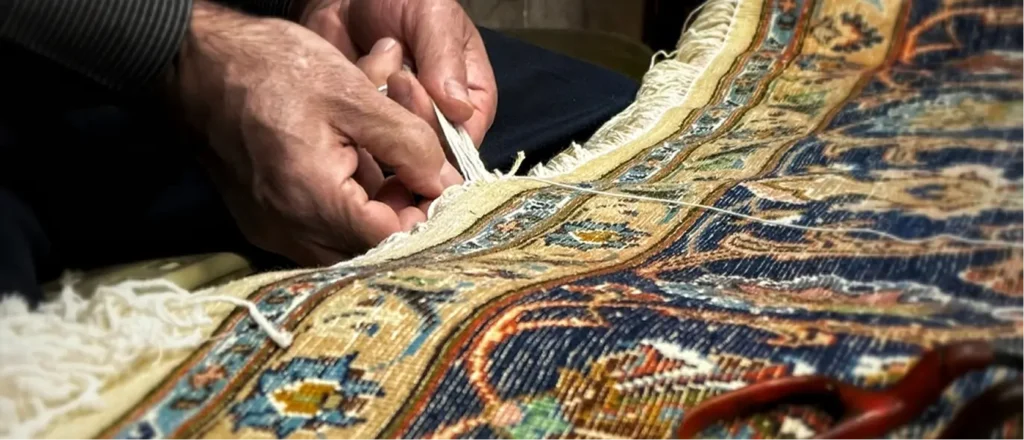
6) Knotting Process

Each carpet is meticulously hand-knotted, knot by knot, using the designed pattern. Skilled artisans maintain consistency, density, and fine detailing, resulting in texture, longevity, and the distinct beauty of a high-quality handcrafted carpet.

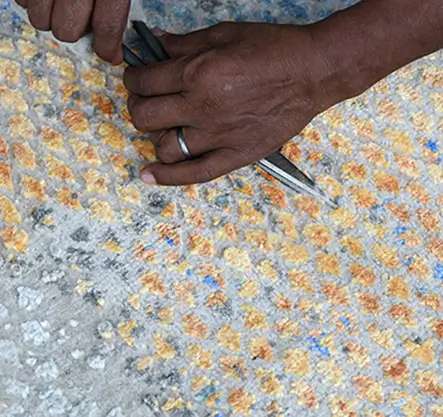
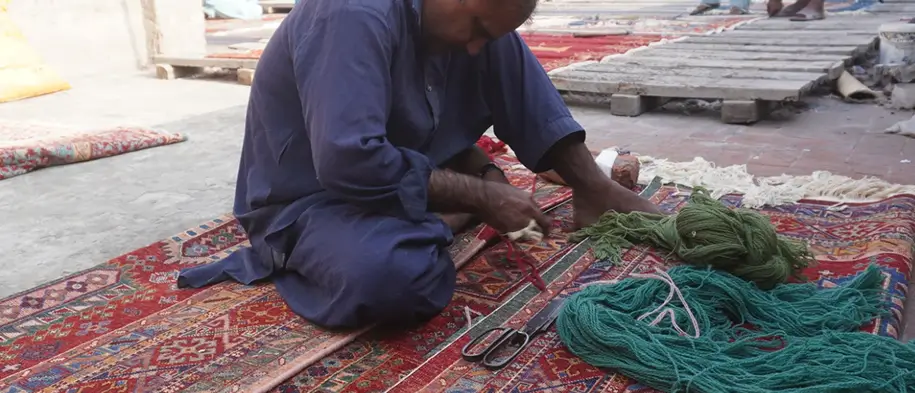
7) Trimming

After knotting, the carpet pile is carefully cut to an equal height, which improves texture, definition, and clarity. This procedure keeps the patterns crisp, polished, and visually appealing, emphasizing the artisan’s exquisite craftsmanship.

8) Wefting & Beating

Weft threads are carefully put and thoroughly pounded into place, compressing the knots and reinforcing the carpet’s overall structure. This stage assures longevity, homogeneity, and a smooth, faultless finish, laying a solid foundation for the carpet’s sumptuous texture and detailed pattern.

9) Finishing the Ends

The carpet’s edges are professionally completed with knots, fringes, or bindings to improve appearance, stability, and longevity. Each edge is fixed, polished, and integrated into the overall design, demonstrating the artisan’s attention to detail and commitment to perfection.

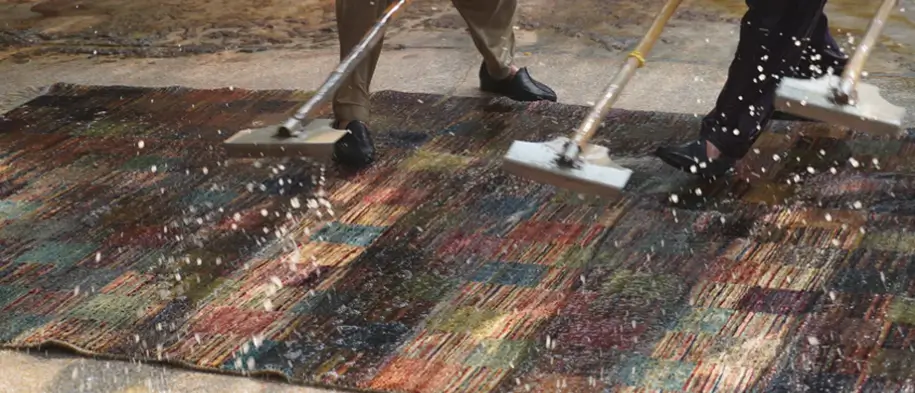
10) Washing

Impurities, excess color, and loose fibers are removed from the carpet through gentle washing utilizing traditional procedures. This procedure increases color vibrancy, softness, and natural sheen, revealing the full brilliance of the design and ensuring a refined, exquisite finish ready for display.

11) Final Shearing

Following cleaning, the carpet is subjected to final shearing, which involves meticulously trimming the pile to ensure perfect consistency. This technique improves texture, accentuates delicate patterns, and creates a smooth, elegant surface that reflects the greatest levels of craftsmanship.

12) Stretching & Drying

The carpet is gently stretched and left out to dry naturally, while retaining shape, alignment, and tension. This method eliminates warping, maintains design integrity, and assures that each piece is faultless, sturdy, and visually attractive for many years to come.

13) Inspection & Quality Control

Every carpet is rigorously tested to ensure faultless workmanship, precise patterns, and an impeccable sheen. Skilled specialists inspect knots, edges, and general quality to ensure that each item reaches the greatest levels of luxury, durability, and artistic beauty.

14) Labeling & Finishing Touches

The final stage is adding labels, certifications, and finishing touches to demonstrate authenticity and skill. Each carpet is meticulously packaged and displayed, exemplifying attention to detail, brand legacy, and the timeless elegance of handmade luxury.

Immerse In Artistic Living

Explore The Collection Of Handcrafted Carpets And Rugs — Woven In Tradition, Perfected Through Generations And Destined To Add Warmth To Your Spaces

Scroll to Top

Thank you for reaching out.

We will connect with you soon.

Appointment Request Received

Expect to hear from us soon.