

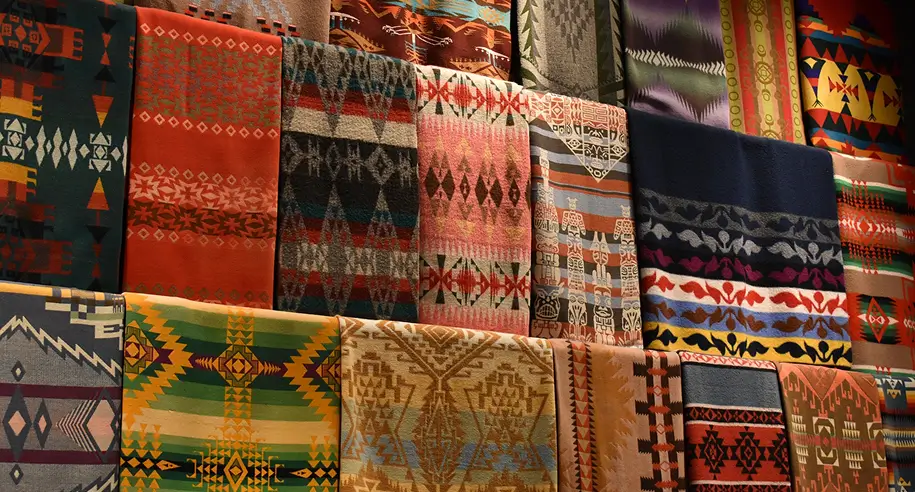
Handicraft textiles offer a blend of artistry, quality, and eco-consciousness, making them an excellent choice for those seeking style, longevity, and environmental responsibility. Here are the top advantages of choosing handicraft textiles:
Style: Unique & Timeless Designs
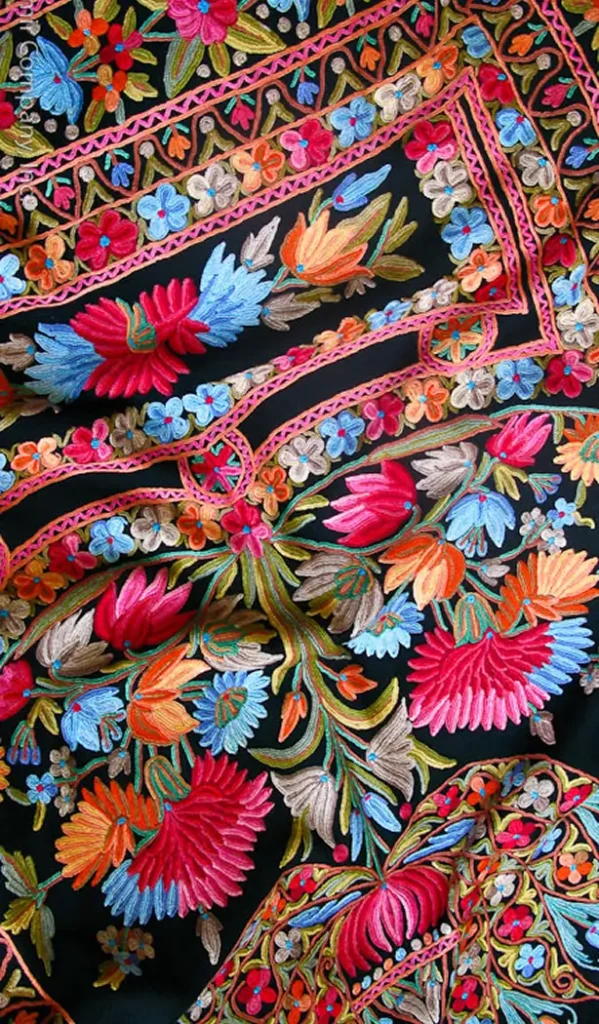
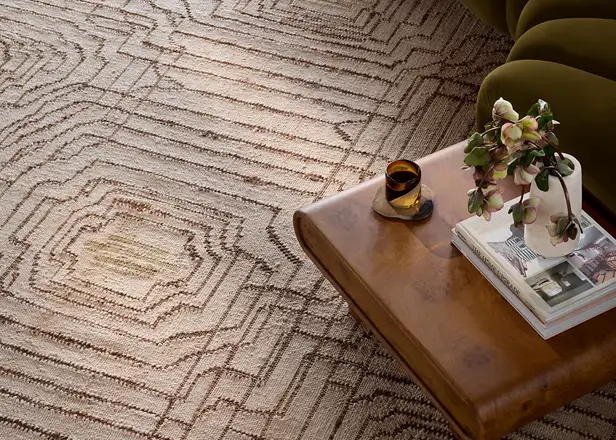
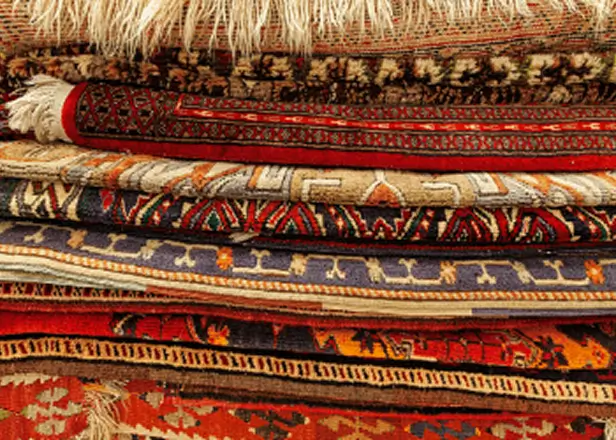
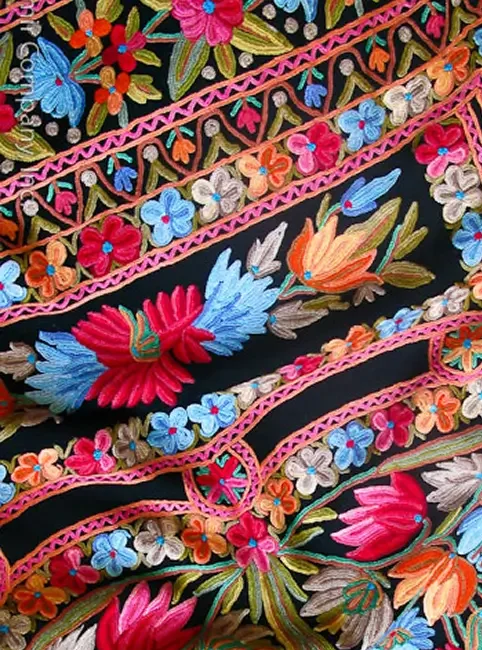
Handicraft textiles are celebrated for their unique and timeless designs that add a distinctive charm to any space or outfit. Unlike mass-produced items, each handmade piece reflects the personal touch and artistry of the artisan, with intricate patterns, vibrant colors, and careful craftsmanship that cannot be replicated. These textiles are often inspired by traditional techniques and cultural heritage, making them not only a fashion or décor statement but also a connection to the past.
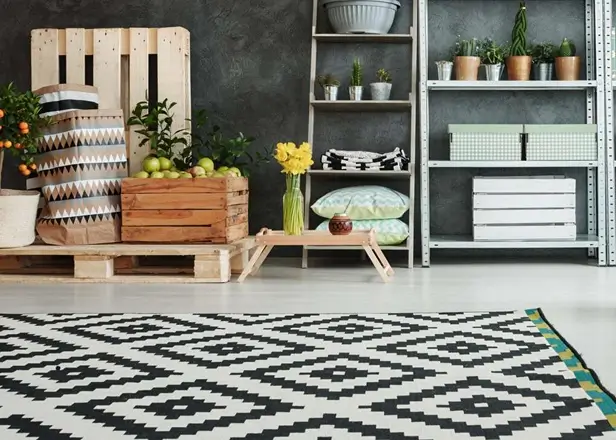
The beauty of these handmade designs lies in their individuality — no two pieces are the same, ensuring that your home or wardrobe remains full of character. Whether it’s a handwoven rug, an embroidered shawl, or a delicate tapestry, these textiles stand out for their exclusivity, offering a level of personal expression that mass-produced products simply cannot provide.
Sustainability: Ethical & Eco-Friendly
Handicraft textiles are an embodiment of sustainability, as they are often created using ethical and eco-friendly practices that minimize their impact on the environment. These textiles are typically made from natural, renewable fibers like cotton, wool, and hemp, which are biodegradable and have a significantly smaller carbon footprint compared to synthetic materials. Additionally, many artisans use low-impact dyes derived from plants and minerals, reducing the harmful chemicals that pollute waterways and harm ecosystems.
Durability: Built to Last
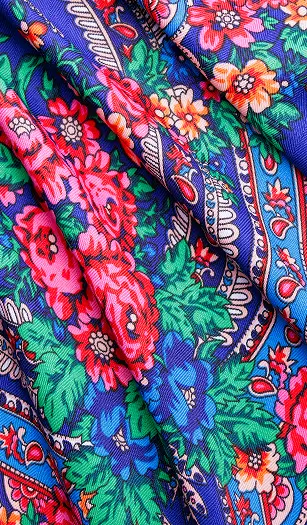
One of the standout qualities of handicraft textiles is their exceptional durability. Unlike mass-produced alternatives, these textiles are made with high-quality materials like natural fibers such as wool, cotton, and silk, which are known for their strength and longevity. Skilled artisans take great care in creating each piece, ensuring that the weaving, stitching, and finishing are done with the utmost precision, resulting in products that are built to last.
The durability of handmade textiles also comes from the traditional techniques used in their creation. These methods often involve handweaving, hand-dyeing, and other slow processes that ensure the material is carefully treated and reinforced. This craftsmanship makes these textiles far more resistant to wear and tear, meaning they can withstand years of use without losing their beauty or integrity.